%2Ffit-in%2F250x250%2Fguide_websites%2F1623%2Fimages%2Fno_limmit_png.png&w=1920&q=100)
/users/36daabc6-6b8c-4db3-8b1c-ff7eaff0c07f/ratecard/516767318_1187740219821417_7257009224547211836_n-mk7sbt93.jpg)
%2F300x300%2Fusers%2F36daabc6-6b8c-4db3-8b1c-ff7eaff0c07f%2Fratecard%2F516767318_1187740219821417_7257009224547211836_n-mk7sbt93.jpg&w=256&q=75)
%2F300x300%2Fusers%2F36daabc6-6b8c-4db3-8b1c-ff7eaff0c07f%2Fimages%2Fstriped-bass-lake-pleasant-catch-8852.png&w=256&q=75)
%2F300x300%2Fusers%2F36daabc6-6b8c-4db3-8b1c-ff7eaff0c07f%2Fimages%2Fstriped-bass-lake-pleasant-catch-11521.png&w=256&q=75)
%2F300x300%2Fusers%2F36daabc6-6b8c-4db3-8b1c-ff7eaff0c07f%2Fimages%2Flake-pleasant-striped-bass-catfish-11893.png&w=256&q=75)
%2F300x300%2Fusers%2F36daabc6-6b8c-4db3-8b1c-ff7eaff0c07f%2Fimages%2Flake-pleasant-channel-catfish-catch-7212.png&w=256&q=75)
%2F300x300%2Fusers%2F36daabc6-6b8c-4db3-8b1c-ff7eaff0c07f%2Fimages%2Fdouble-striped-bass-lake-pleasant-3101.png&w=256&q=75)
%2F300x300%2Fusers%2F36daabc6-6b8c-4db3-8b1c-ff7eaff0c07f%2Fimages%2Fsunset-fishing-lake-pleasant-evening-2855.png&w=256&q=75)
%2F300x300%2Fusers%2F36daabc6-6b8c-4db3-8b1c-ff7eaff0c07f%2Fimages%2Flake-pleasant-striped-bass-catch-9116.png&w=256&q=75)
%2F300x300%2Fusers%2F36daabc6-6b8c-4db3-8b1c-ff7eaff0c07f%2Fimages%2Flake-pleasant-striped-bass-catch-8985.png&w=256&q=75)
%2F300x300%2Fusers%2F36daabc6-6b8c-4db3-8b1c-ff7eaff0c07f%2Fimages%2Flake-pleasant-striped-bass-catch-3210.png&w=256&q=75)
%2F300x300%2Fusers%2F36daabc6-6b8c-4db3-8b1c-ff7eaff0c07f%2Fimages%2Flake-pleasant-fish-finder-sonar-10666.png&w=256&q=75)
No Limit Bass & Catfish Trip Lake Pleasant AZ
 Lake Pleasant
What you will be catching:
 Channel Catfish
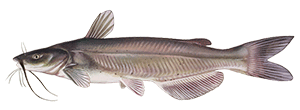 Flathead Catfish
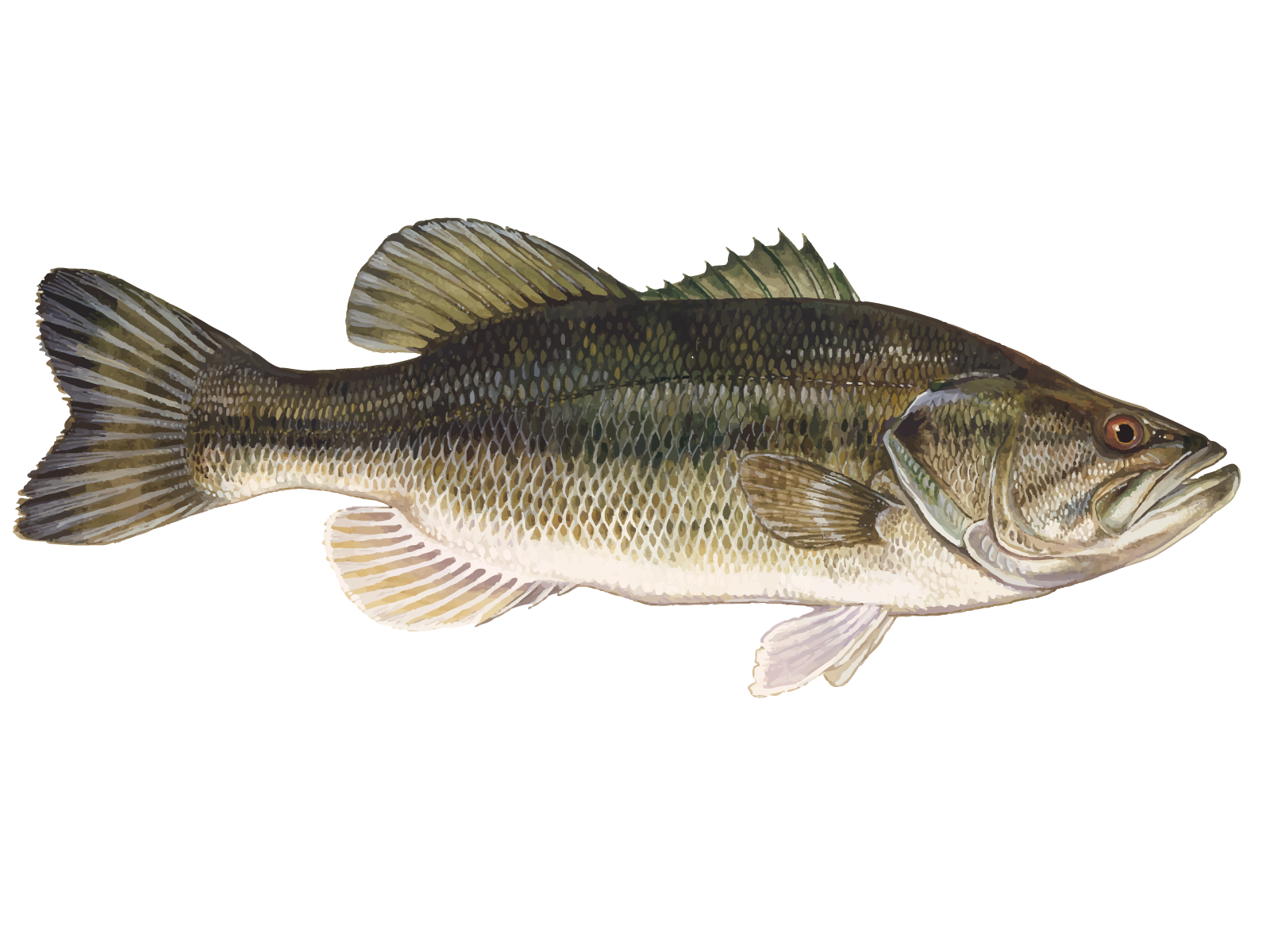 Largemouth Bass
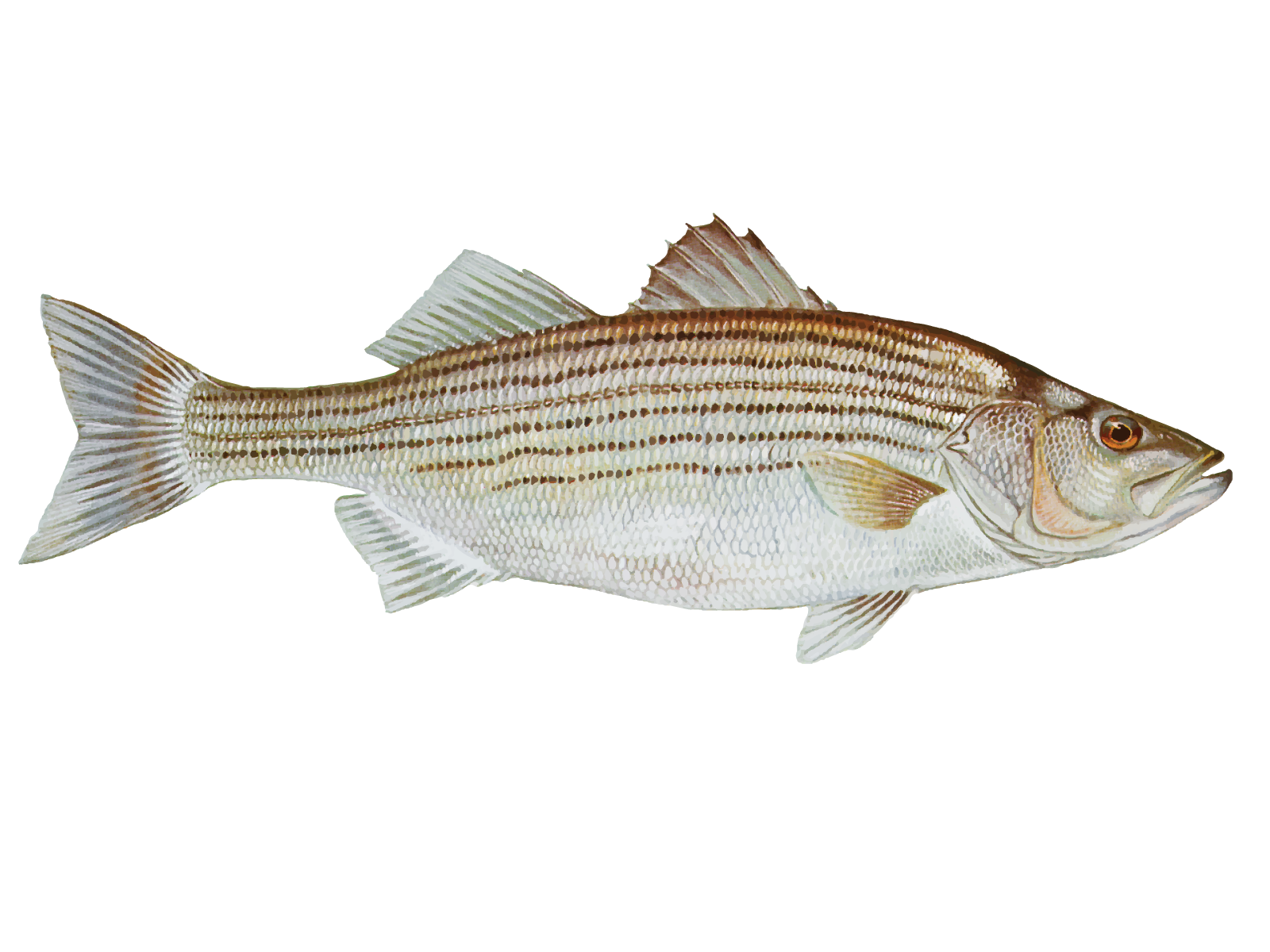 Striped Bass
 White Bass
- Five-hour guided fishing trip targeting striped bass, largemouth bass, and catfish
- All fishing gear and bait provided with expert guide Glenn Diaz
- Shared trip format offers cost-effective learning experience on Lake Pleasant
Trip Pricing and Availabilities:
Lake Pleasant Guided Fishing Trip
Looking for a solid afternoon on the water? Glenn Diaz has been guiding anglers on Lake Pleasant for years, and he knows exactly where the fish are hiding. This five-hour shared trip targets some of Arizona's best freshwater species - striped bass, largemouth bass, white bass, and catfish - all while enjoying the stunning backdrop of the Sonoran Desert. You'll fish productive spots around this 10,000-acre lake, learning techniques that work consistently in these waters. Glenn provides all the gear and bait, so you just need to bring your Arizona fishing license and get ready for some serious action on one of the state's premier fishing destinations.
What to Expect on the Water
This afternoon trip kicks off when the desert heat starts to mellow out, creating perfect conditions for active fish. Lake Pleasant sits at 1,650 feet elevation, surrounded by rugged desert mountains that create a unique fishing environment. Glenn knows every cove, point, and structure where fish congregate throughout the day. You'll cover different zones of the lake depending on what's biting - maybe hitting the main lake points for stripers or working the protected coves for largemouth bass. The shared boat setup means you'll fish alongside other anglers, creating a fun, social atmosphere while everyone learns from Glenn's local expertise. Water temperatures stay comfortable most of the year, and the afternoon timing means you'll avoid the morning boat traffic while still hitting prime feeding windows.
Techniques and Tackle
Glenn runs a well-equipped boat with quality rods, reels, and terminal tackle suited for Lake Pleasant's diverse fishery. You'll use everything from live bait presentations for catfish to artificial lures for bass species. Anchovy and shad work great for stripers, especially when they're suspended in deeper water near the dam area. For largemouth bass, Glenn switches between soft plastics, crankbaits, and topwater lures depending on conditions and time of year. White bass often school up and create feeding frenzies that are pure fun on lighter tackle. Catfish require a more patient approach with bottom rigs and stink baits, but they reward persistence with solid fights and great table fare. Glenn adapts techniques throughout the trip based on fish activity and guest preferences, so beginners learn fundamentals while experienced anglers pick up local secrets.
Top Catches This Season
Striped bass are the crown jewel of Lake Pleasant, with fish ranging from schoolies in the 2-3 pound range up to serious 15-20 pound specimens that'll test your drag system. These fish were originally stocked from California and have established a thriving population that feeds heavily on shad. Spring and fall offer the best striper action when water temperatures hit that sweet spot between 65-75 degrees. They're aggressive fighters that make long runs and jump when hooked, giving anglers a saltwater-style fight in freshwater. Largemouth bass provide consistent action year-round, with the lake producing fish in the 2-5 pound range regularly. The rocky points, submerged timber, and shallow coves create perfect largemouth habitat. These bass are particularly active during the afternoon hours when baitfish move shallow. White bass are smaller but make up for size with numbers and attitude. When you find a school, it's game on - they'll hit just about anything you throw at them and provide non-stop action. Channel catfish grow fat and happy in Lake Pleasant's nutrient-rich waters, with fish in the 3-8 pound range common. They're excellent eating and provide steady action when other species get finicky. Flathead catfish are the bruisers of the bunch, capable of reaching 30+ pounds and providing battles that'll leave your arms sore.
Time to Book Your Spot
Lake Pleasant delivers consistent fishing action in a beautiful desert setting that's just an hour from Phoenix. Glenn's local knowledge and quality equipment take the guesswork out of finding fish, while the shared boat format keeps costs reasonable without sacrificing the guided experience. Whether you're new to fishing or looking to dial in your technique on Arizona waters, this afternoon trip provides the perfect mix of instruction, action, and scenery. The five-hour duration gives you plenty of time to try different techniques and locations without feeling rushed. Remember to grab your Arizona fishing license before the trip, pack some snacks and drinks to stay comfortable, and get ready to see why Lake Pleasant has earned its reputation as one of the Southwest's premier fishing destinations. Book your spot now and discover what keeps anglers coming back to these productive desert waters season after season.
Learn more about the species
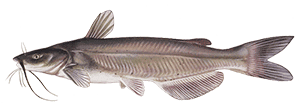
Channel Catfish
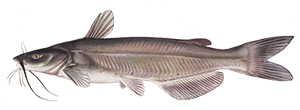
Channel catfish are Lake Pleasant's reliable workhorses - they're always willing to bite and put up a solid fight. These whiskered bottom-dwellers typically run 2-8 pounds, though we catch some real tanks pushing 15-20 pounds. They hang around deeper structure, drop-offs, and muddy flats, especially in 15-40 feet of water. Night fishing is prime time, but they'll bite during the day too, particularly in deeper, cooler water. What makes cats fun is their strong, steady fight - no flashy jumps, just pure bulldogging power. They're also some of the best eating fish you'll find, with sweet, flaky white meat. The secret is scent - they hunt primarily by smell, so stinkbaits, chicken liver, or fresh-cut bait work best. Fish it on the bottom and be patient - when a cat picks up your bait, it's usually hooked solid.
Flathead Catfish
Flathead catfish are Lake Pleasant's true monsters - these olive-colored giants can exceed 40 pounds and provide the fight of a lifetime. Unlike other cats, flatheads are pure predators that prefer live bait, making them more challenging to target. They lurk in deep holes, around submerged timber, and rocky ledges in 20-50+ feet of water. Summer nights are prime time when they move shallow to hunt. What makes flatheads special is their incredible size potential and that bone-jarring hit when they strike - it's like hooking into a submarine. The meat quality is outstanding too, firmer and cleaner tasting than other catfish species. Here's the key: use live bluegill or bass around 4-6 inches, fish it near bottom structure, and bring heavy tackle - 50-pound line minimum. These fish don't mess around, and neither should your gear.
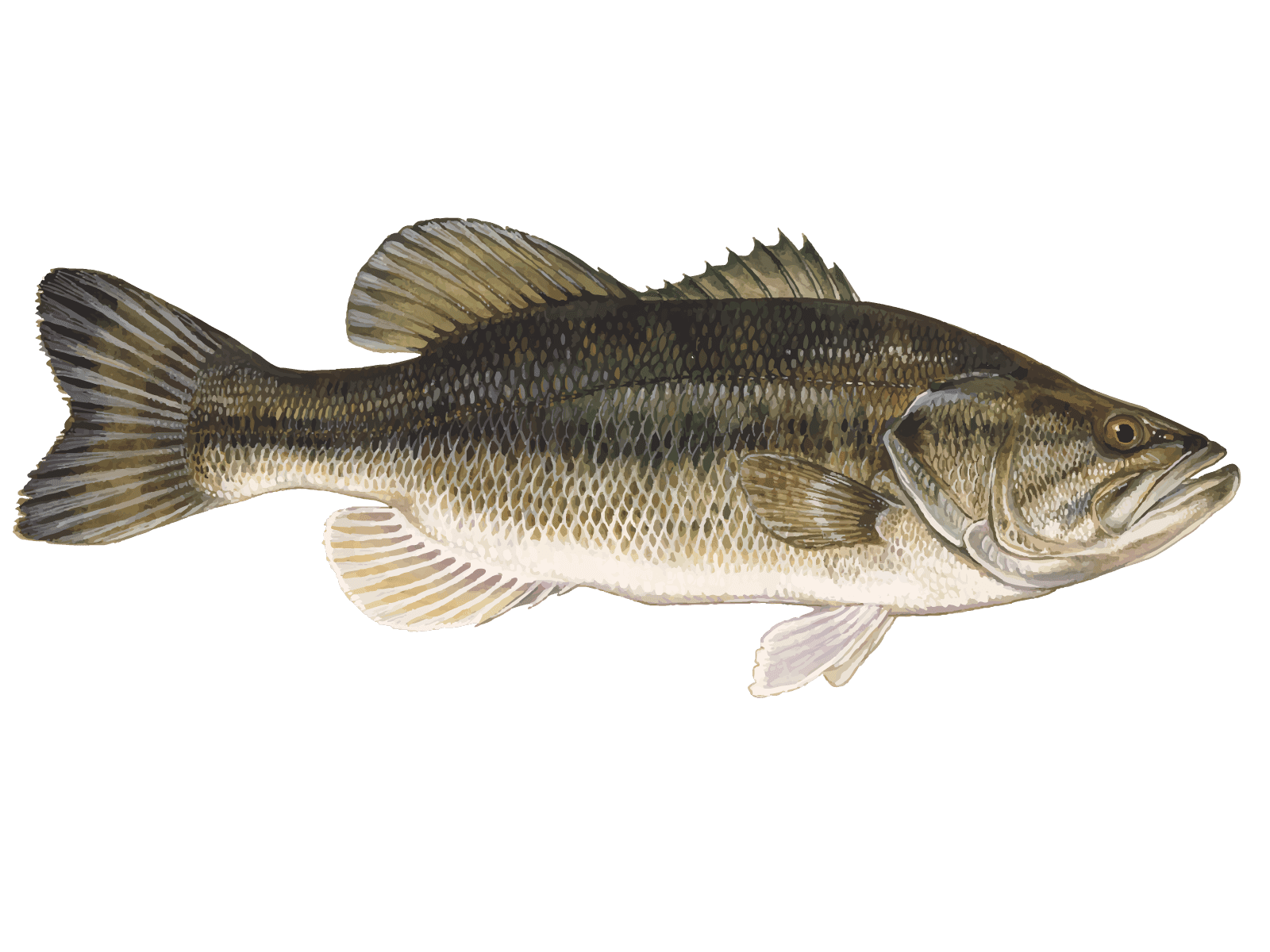
Largemouth Bass
Largemouth bass are the real crowd-pleasers here on Lake Pleasant. These green-backed fighters typically run 12-24 inches and 1-5 pounds, though we see some real bruisers pushing 8+ pounds. They love hanging around submerged structure, rocky points, and weed beds in 5-20 feet of water. Spring through fall are prime times, especially early morning and evening when they're actively feeding. What makes these fish special is that explosive strike and the aerial show they put on once hooked - they'll jump, shake, and fight hard all the way to the boat. The meat's decent eating too if you want to keep a few. Pro tip: when the bite gets tough, downsize to smaller baits and fish them slower around deeper structure. These bass can be finicky, but they're always worth the effort.
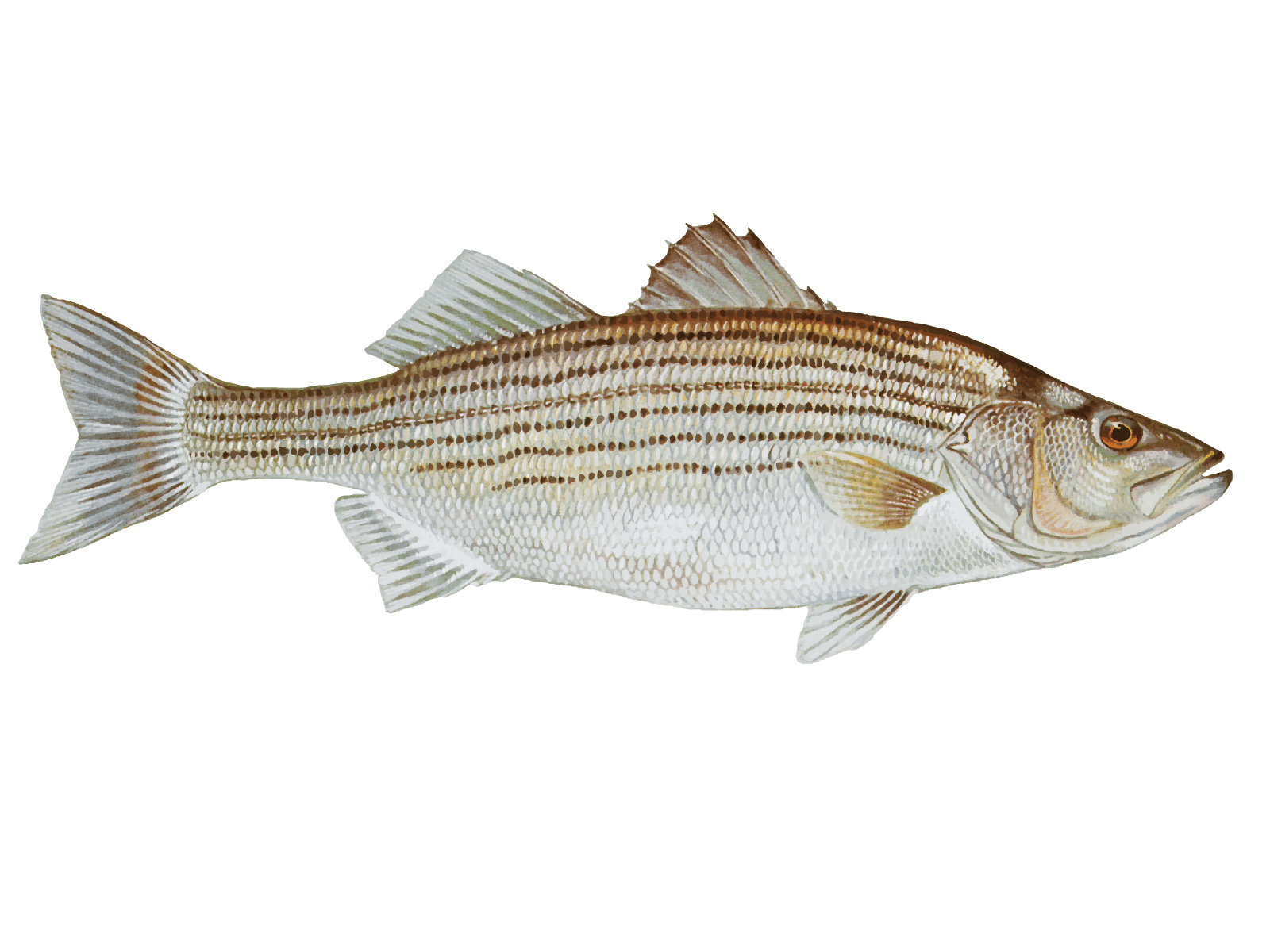
Striped Bass
Striped bass are Lake Pleasant's heavyweight champions and the fish everyone wants to hook into. These powerful fighters can reach 20-40 pounds here, with their distinctive dark stripes running along silver sides. They cruise deep main lake areas, around structure, and follow baitfish schools throughout the water column. Early morning and late evening are prime times, especially during cooler months when they're more active near the surface. What makes stripers special is their incredible strength - they'll make long runs and test your drag like no other fish in the lake. Plus, they're fantastic eating with firm, white meat that's hard to beat. The key to success is finding the baitfish - where the shad go, the stripers follow. Live bait or large swimbaits worked near structure usually produce the best results.
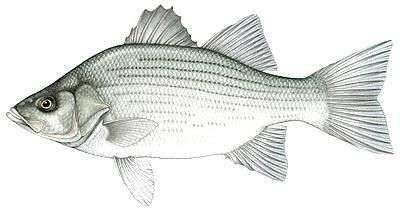
White Bass
White bass are Lake Pleasant's silver bullets - fast, aggressive, and always ready to fight. These schooling fish average 10-15 inches and 1-2 pounds, but when you find a school, the action can be non-stop. Look for them in open water, around points, and near creek channels in 15-30 feet during the day. They'll push baitfish to the surface, creating those exciting feeding frenzies you'll see birds diving on. Spring and fall are peak times when they're most active. Anglers love them because they hit hard, fight well for their size, and make excellent table fare - some say they're the best eating fish in the lake. My go-to technique is small jigs or spoons worked fast through the schools. Once you locate them, keep your boat positioned right and you can catch dozens.
About the No Limit Fishing
%2F%2Fusers%2F36daabc6-6b8c-4db3-8b1c-ff7eaff0c07f%2Fvehicle_picture%2Fbennington.png&w=1920&q=75)
Vehicle Guest Capacity: 6
Manufacturer Name: Yamaha
Maximum Cruising Speed: 17
Number of Engines: 1
Horsepower per Engine: 60