Black Bullhead Caught Jigging at Lake Pleasant with Guide
Freshwater Fishing on Lake Pleasant - What to Expect
5.0

20 Reviews
- 5
 100%
- 4
 0%
- 30%
- 20%
- 10%

Guided Fishing Trip by Guide Glenn Diaz in August
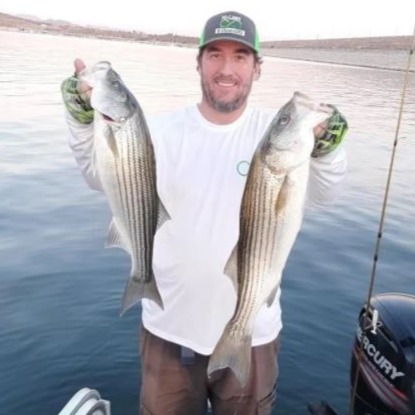
- Get your fill of Trophy Bites in Arizona!


Summary
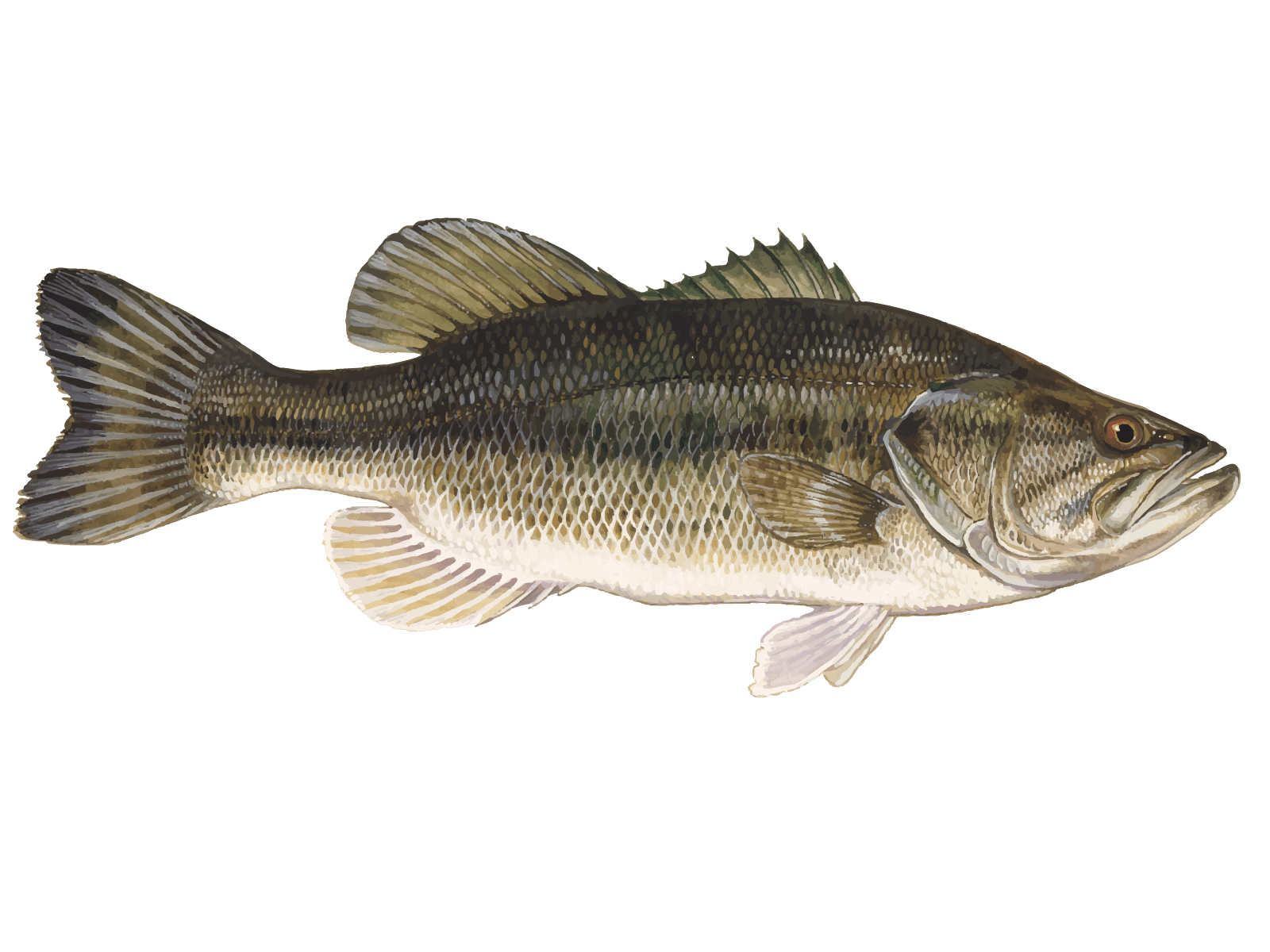
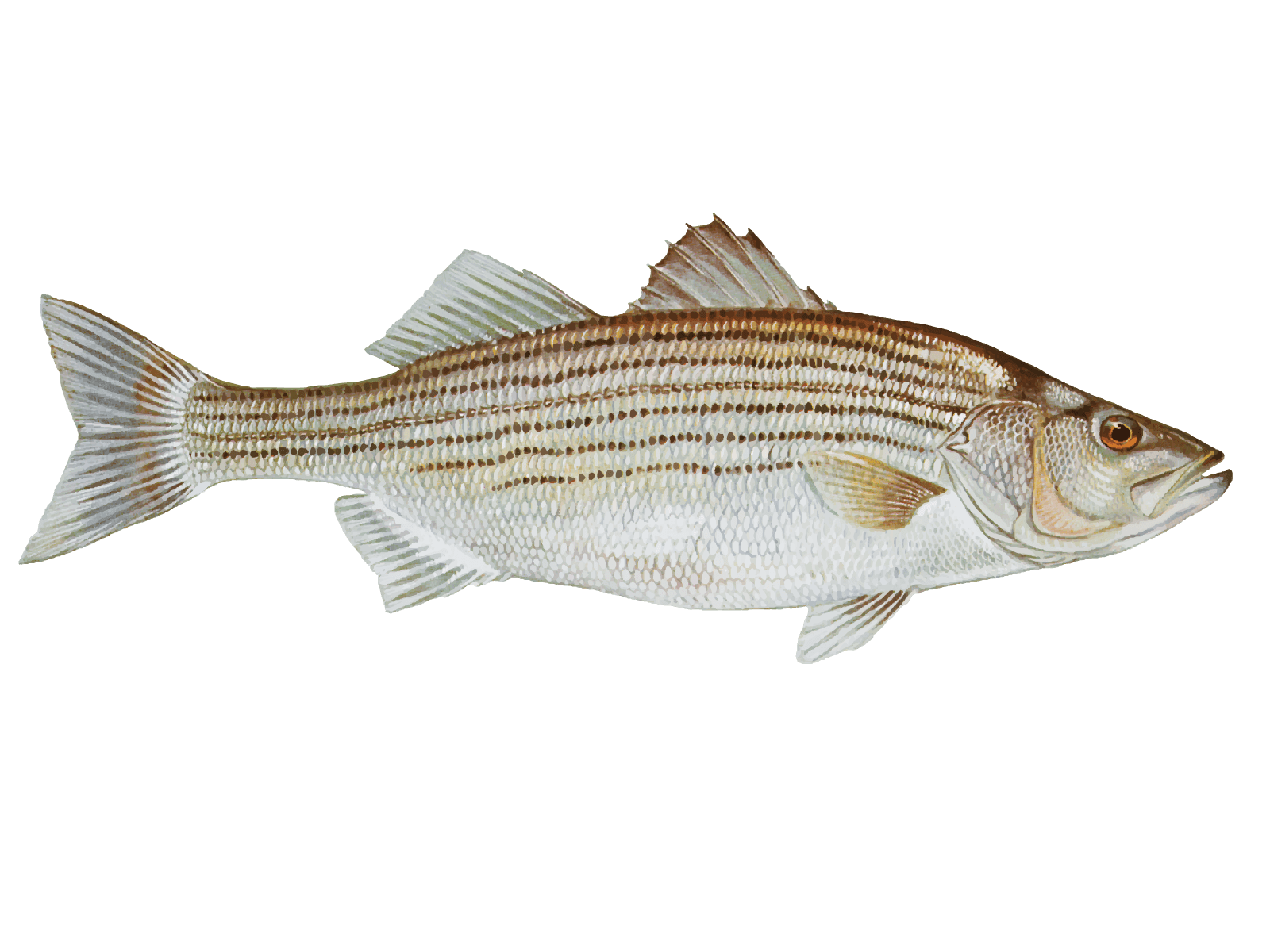
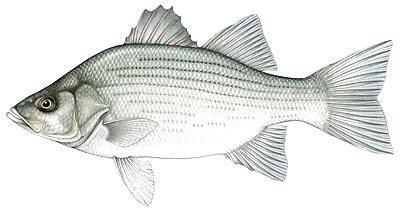
Join a guided fishing trip on Lake Pleasant near Morristown on Sunday, August 10th. This shared outing targets striped bass, largemouth bass, white bass, and catfish with Guide Glenn Diaz of No Limit Fishing. All gear and bait are provided so you can focus on learning effective techniques and landing fish.
Fishing with Glenn Diaz - Rates & Booking
Guide Glenn Diaz of No Limit Fishing offers a shared five-hour guided fishing trip on Lake Pleasant near Morristown on Sunday, August 10th. This outing accommodates two guests and includes all fishing gear and bait, so you can concentrate on technique and fish behavior rather than equipment preparation. A valid Arizona fishing license is required. Deposits are non-refundable. Reserve your spot to explore Lake Pleasant's diverse fish populations with a guide who knows the lake's productive hotspots and can adapt to both beginner and experienced skill levels.
Highlights of Explore Lake Pleasant with a Guide and See Which Freshwater Species Are Biting
Lake Pleasant offers a rich mix of freshwater fishing opportunities with healthy populations of multiple species. You'll have the chance to target striped bass, largemouth bass, white bass, and catfish, learning which techniques work best for each. Guide Glenn Diaz shares local knowledge about fish behavior patterns and the specific areas where each species congregates, helping you understand not just where to fish but why fish are positioned in certain zones.
The lake's accessible location near Morristown makes this half-day adventure practical for anglers seeking quality fishing without a full-day commitment. The five-hour timeframe provides solid fishing action and enough time to explore different techniques and areas on the water.
Local Species Insights: Black Bullhead and Lake Pleasant's Catfish Population
Black bullheads are hardy bottom feeders commonly found in freshwater lakes like Lake Pleasant. These catfish species are recognized by their flattened heads, whisker-like barbels, and darker coloration. Understanding bullhead behavior helps improve your success when targeting them.
Bullheads are primarily nocturnal feeders, though they remain active during daylight hours, especially when water conditions are cloudy or during overcast days. They use their barbels as sensory organs to locate food along the lake bottom, which means they respond strongly to scent-based presentations. When jigging for bullheads, presentation matters less than placement and patience. Position your jig near structure, drop-offs, or areas with soft bottom composition where bullheads hunt for crawfish, small fish, and aquatic larvae.
The jigging technique shown in your catch demonstrates an effective method for bullheads. Vertical jigging keeps your presentation in the strike zone longer than casting and retrieving, allowing bullheads to locate your bait through their sensory systems. Bullheads strike with confident, positive takes once they've identified your jig as food, making them rewarding targets for anglers learning to read bite pressure and rod feedback.
Lake Pleasant supports a strong catfish population, making it an ideal location for both bullhead targeting and exploring the broader catfish species diversity. Their abundance and willingness to bite make them excellent learning fish, particularly when guides share techniques for reading bottom structure and understanding how catfish use their sensory advantages in freshwater environments.
Plan Your Fishing Day
Your five-hour guided trip includes all fishing gear and bait, so arrive ready to focus on learning and fishing. Bring your valid Arizona fishing license, along with snacks and drinks to stay comfortable during your time on the water. Guide Glenn Diaz will work with your group of two anglers to demonstrate techniques, locate productive fishing areas, and help you understand the behavior of the species you encounter. This shared trip format means you'll fish alongside other anglers, creating a collaborative learning environment where you can observe multiple approaches and strategies on Lake Pleasant's productive waters.
Fishing in Lake Pleasant: Black Bullhead
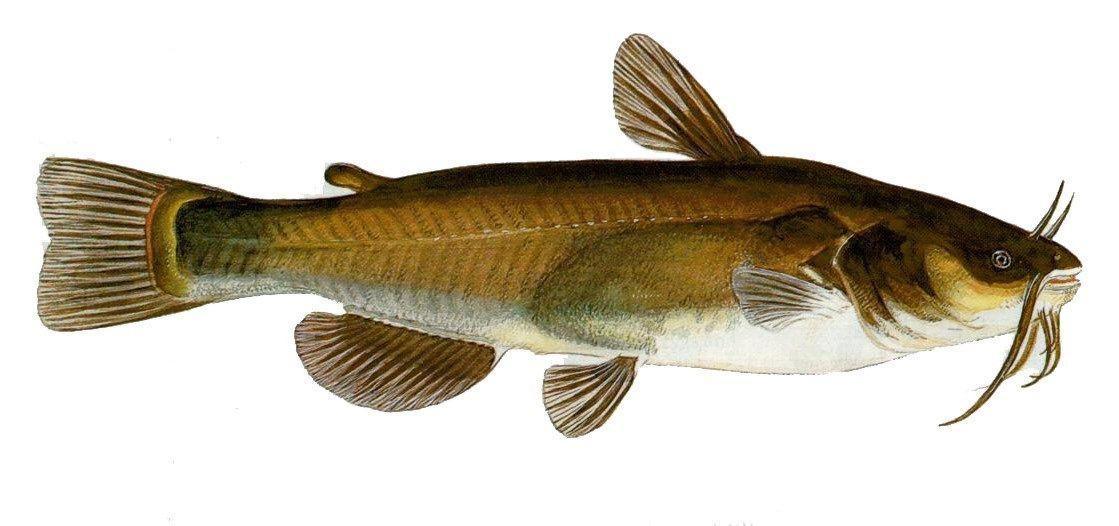
Black Bullhead Overview
The Black Bullhead (Ameiurus melas) is a fascinating member of the Ictaluridae family within the order Siluriformes. Often called a "rough fish" due to their relative rarity in recreational catches, these catfish are surprisingly hardy and adaptable creatures that inhabit waters across North America. What makes them truly distinctive is their compact size compared to channel catfish relatives, combined with their squared tail, humped back, and characteristic long whisker-like barbels that give them their iconic catfish appearance. Anglers and locals alike are intrigued by these nocturnal bottom-dwellers, which boast around 100,000 taste receptors covering their entire slime-coated body—a feature that makes them incredibly sensitive to subtle changes in their environment. Found in everything from city ponds to remote backcountry lakes, the Black Bullhead represents an underappreciated opportunity for patient fishing enthusiasts.
Black Bullhead Habitat and Distribution
Black Bullheads are remarkably indifferent when it comes to water preferences, which has made them highly successful colonizers across diverse freshwater environments. You'll find them thriving in lakes, ponds, rivers, streams, swamps, and even backcountry waters where other species might struggle. They're particularly fond of confined spaces near structural features like piers, dams, and submerged debris, where they can hide during daylight hours. What's remarkable is their tolerance for low-oxygen environments—a resilience that allows them to persist in waters where more sensitive species would perish. Their invasive status in Europe demonstrates just how adaptable and successful they are at establishing populations in new territories. These fish are bottom-rovers by nature, constantly searching the substrate for food, and they can be found virtually anywhere from upstream river sections to isolated backcountry ponds, making them a cosmopolitan species wherever conditions allow.
Black Bullhead Size and Weight
Black Bullheads are notably smaller than their Channel Catfish cousins, making them an accessible target for anglers of all skill levels. The typical range falls between 8 to 14 inches in length, weighing approximately 1 to 2 pounds on average. However, under ideal conditions in well-established populations, these fish can reach respectable sizes, with documented specimens extending up to 26 inches and weighing up to 5 pounds. The variation in size largely depends on local water conditions, food availability, and population density. In smaller, more crowded waterways, you'll encounter the diminutive end of the spectrum. But in larger lakes and rivers with abundant food sources, you may be pleasantly surprised by a hefty individual that challenges your gear. Their compact frame makes them ideal for younger anglers or those using light tackle, as the fight remains spirited without requiring heavy-duty equipment.
Black Bullhead Diet and Behavior
As bottom-roving omnivores, Black Bullheads are dietary generalists that adapt their feeding preferences based on available resources and their life stage. Juvenile fish consume a broader diet, while adults increasingly focus on midge larvae and other aquatic insects, supplemented by small fish and fish eggs. Their sensory superpowers—those 100,000 taste receptors—allow them to locate food in murky water with remarkable precision, making them excellent scavengers in conditions where visibility is poor. Behaviorally, these fish are predominantly nocturnal, preferring to feed under the cover of darkness when they emerge from their daytime hiding spots beneath piers, undercut banks, and dense vegetation. During daylight hours, they retreat to shadowy refuges where they remain relatively inactive. This nocturnal nature is crucial information for anglers targeting the species, as your chances of success increase dramatically after sunset. Additionally, Black Bullheads are known for their aggressive feeding behavior—once they latch onto food, they enter a feeding frenzy and fight tenaciously, making them spirited opponents for patient anglers.
Black Bullhead Spawning and Seasonal Activity
Black Bullheads exhibit fascinating seasonal behavior patterns that directly influence their catchability throughout the year. During winter months, these fish enter a hibernation-like state, significantly reducing their feeding frequency or ceasing to feed entirely. They burrow into sand and soft substrate, remaining dormant until spring arrives and water temperatures begin to rise. This hibernation period can last several months in northern climates, essentially removing the species from consideration as a target during the coldest parts of the year. However, as water temperatures warm in spring and early summer, Black Bullheads become increasingly active and begin their spawning season. Males construct nests and exhibit aggressive territorial behavior, making them somewhat easier to provoke into strikes during this period. Understanding this seasonal cycle is essential for planning successful fishing trips—late spring through early autumn represents the prime window for encounters, with activity peaking during the warmer months when they're not hibernating and water oxygen levels remain adequate.
Black Bullhead Techniques for Observation or Capture
Technique 1: Night Fishing with Live or Cut Bait — The most reliable method for targeting Black Bullheads involves fishing after dark using simple, effective baits. Live worms, cut baitfish, or raw chicken liver are excellent choices that trigger their aggressive feeding response. Use light-weight gear to enhance your sensitivity to bites, allowing you to feel the subtle strikes before they detect the hook. Cast near structural features like fallen trees, pier pilings, or rocky outcrops where these fish congregate during nighttime feeding periods. An extremely sharp hook is essential—their hard skulls require penetrating points, and covering the barb with bait is a mistake that results in lost fish. Position yourself in areas with confined spaces where they predictably gather, and employ a simple cane rod with worms if you prefer an old-school approach that remains remarkably effective. Around urban fishing areas and established city ponds, night fishing near marina structures consistently produces results.
Technique 2: Daytime Structure Fishing — While Black Bullheads are nocturnal, you can still catch them during daylight hours by targeting their daytime hiding spots. Fish slowly along the deepest shadows cast by piers, dams, and dense shoreline vegetation. Use the same baits but work them more deliberately, allowing extended soak times since the fish are less aggressive in daylight. Focus on areas with low oxygen or heavy vegetation where they feel secure. This technique requires patience but rewards anglers willing to spend time in one productive spot, allowing the bait to remain in the strike zone long enough for a curious fish to investigate.
Technique 3: Multiple Rod Approach — Set out several lightly-weighted rigs baited with chicken liver or worms in prime locations, then monitor them from a comfortable distance. This passive approach works exceptionally well for Black Bullheads since they're not particularly selective feeders and will readily investigate baited hooks. This method allows you to cover more water and increases your chances of encountering fish, particularly in backcountry ponds or remote river sections where populations are established.
Black Bullhead Culinary and Utilization Notes
Black Bullheads occupy an interesting culinary niche. While they're generally considered "rough fish" and catch rates are relatively uncommon, they are indeed edible and have sustained subsistence fishing in various regions. The quality of meat varies significantly depending on the water where they're caught—fish from clean, well-oxygenated lakes tend to have better flavor than those from stagnant waters. Their smaller size means they require different preparation methods than larger catfish species; many anglers prefer whole fish preparations or filleting techniques suited to their compact frame. The meat is firm and can be quite palatable when properly cleaned and prepared, though their average rating reflects regional preferences rather than any inherent culinary deficiency. Sustainability-wise, their invasive status in certain regions means that removing them from those waters is actually beneficial for ecosystem health. If you do decide to keep your catch, ensure you're following local regulations and practicing ethical harvesting methods. For most recreational anglers, however, the experience and challenge of landing a Black Bullhead provides sufficient reward without necessarily keeping the fish.
Black Bullhead Frequently Asked Questions
Q: What is the best bait for catching Black Bullheads?
A: Live worms and raw chicken liver are the most effective baits. These species respond readily to strong-scented offerings, and the combination of texture and smell triggers their powerful taste receptors. Cut baitfish also work well, particularly at night when they're actively feeding. The key is ensuring the barb of your hook remains exposed and that your hook is extremely sharp to penetrate their hard skulls.
Q: Why are Black Bullheads considered difficult to catch?
A: They're not necessarily difficult to catch—they're simply uncommon in recreational catches because most anglers don't specifically target them and they're primarily nocturnal. Most people aren't fishing after dark or in the confined spaces where these fish hide during daylight. Additionally, they're considered "rough fish" by many anglers, meaning fewer people pursue them despite their availability and willingness to strike baited hooks.
Q: When is the best time to fish for Black Bullheads?
A: Night time is significantly more productive than daytime fishing. Black Bullheads are nocturnal feeders, meaning they emerge to hunt after sunset and remain active throughout the night. Spring through early autumn represents the prime season overall, as they hibernate during winter months. Early summer often produces the most aggressive feeding as they prepare for and engage in spawning activity.
Q: Are Black Bullhead spines actually poisonous?
A: Yes, their spines contain a mild toxin that's not fatal to humans but can cause significant pain and localized inflammation. When handling or netting these fish, exercise caution and avoid contact with the spinal fins. If you do get struck, the wound should be cleaned and monitored, though serious complications are rare. Respect the fish's defensive capabilities and handle them carefully.
Q: Where can I find Black Bullheads near established fishing areas?
A: Look for them in backcountry ponds, river systems, and lakes throughout their native range. In urban and suburban areas, they're often found in retention ponds, small lakes, and connected waterways. Near piers, dams, and areas with structural cover—places where they can hide during daylight—Black Bullheads are most reliably located. They adapt to almost any freshwater environment where food is available.
Q: Is the meat quality of Black Bullheads affected by where they're caught?
A: Absolutely. Black Bullheads from clean, well-oxygenated waters with good food availability typically have better-flavored meat than those from stagnant or polluted waters. The "muddy" taste some report is often a result of them coming from oxygen-poor environments. Fish from larger, cleaner lakes generally offer superior eating quality compared to those from small, congested ponds.
More species you can explore on this trip

No Limit Fishing Available Trips
Other customer memories from this trip
Join us on Lake Pleasant's waters aboard a well-maintained fishing boat equipped for guided half-day excursions. The setup provides comfortable positioning for two anglers with organized rod storage and tackle organization so gear stays accessible throughout your five-hour outing. Seating is arranged to give both guests clear access to fishing areas and good vantage points for spotting structure and working your presentations. The boat configuration allows Guide Glenn Diaz to move between locations efficiently, positioning you at productive fishing zones while maintaining safety and comfort. You'll have room to move and adjust positioning as you practice different jigging techniques and learn to read the water. All fishing equipment is on board and organized, eliminating the need to manage gear and letting you focus entirely on the experience and technique instruction.