%2Ffit-in%2F250x250%2Fguide_websites%2F1623%2Fimages%2Fno_limmit_png.png&w=1920&q=100)
Caught a Channel Catfish Fishing Trip in Lake
Channel Catfish Fishing in Lake Pleasant
5.0

20 Reviews
- 5
 100%
100% - 4
 0%
0% - 30%
- 20%
- 10%
%2F%2Fusers%2F36daabc6-6b8c-4db3-8b1c-ff7eaff0c07f%2Fimages%2Fchannel-catfish-catch-scorpion-bay-5367.png&w=1920&q=75)
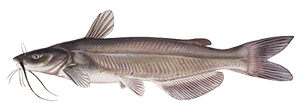
The Channel Catfish belongs to the order Siluriformes and family Ictaluridae. It typically measures between 15 and 25 inches in length, with a weight range from 2 to 4 lbs. - Common gamefish found in rivers, tidal mouths, bends, and wrecks. - Distinguished by soft, slippery bodies covered in protective slime. - Features prominent whiskers (barbels) that compensate for poor eyesight. - Often confused with Walking Catfish but has distinct characteristics.
Guided Fishing Trip by Guide Glenn Diaz in October
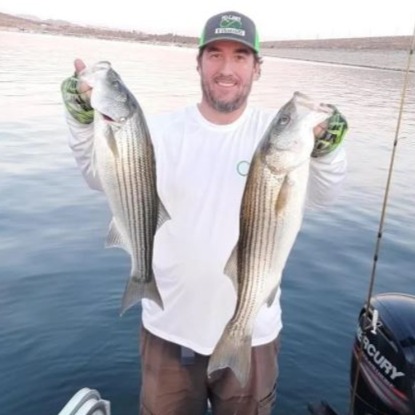
Meet your Guide Glenn Diaz
- Get your fill of Trophy Bites in Arizona!



Summary
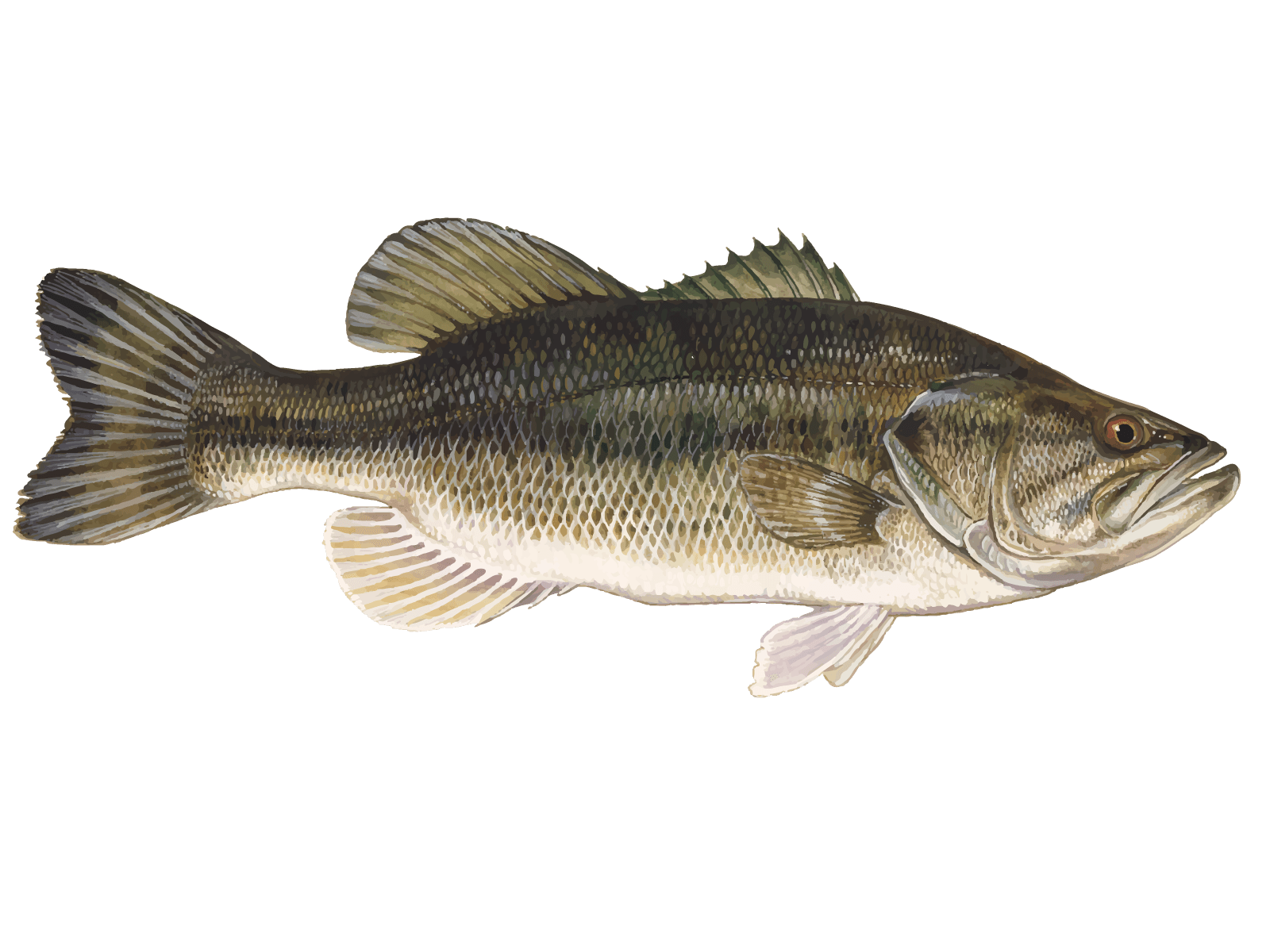
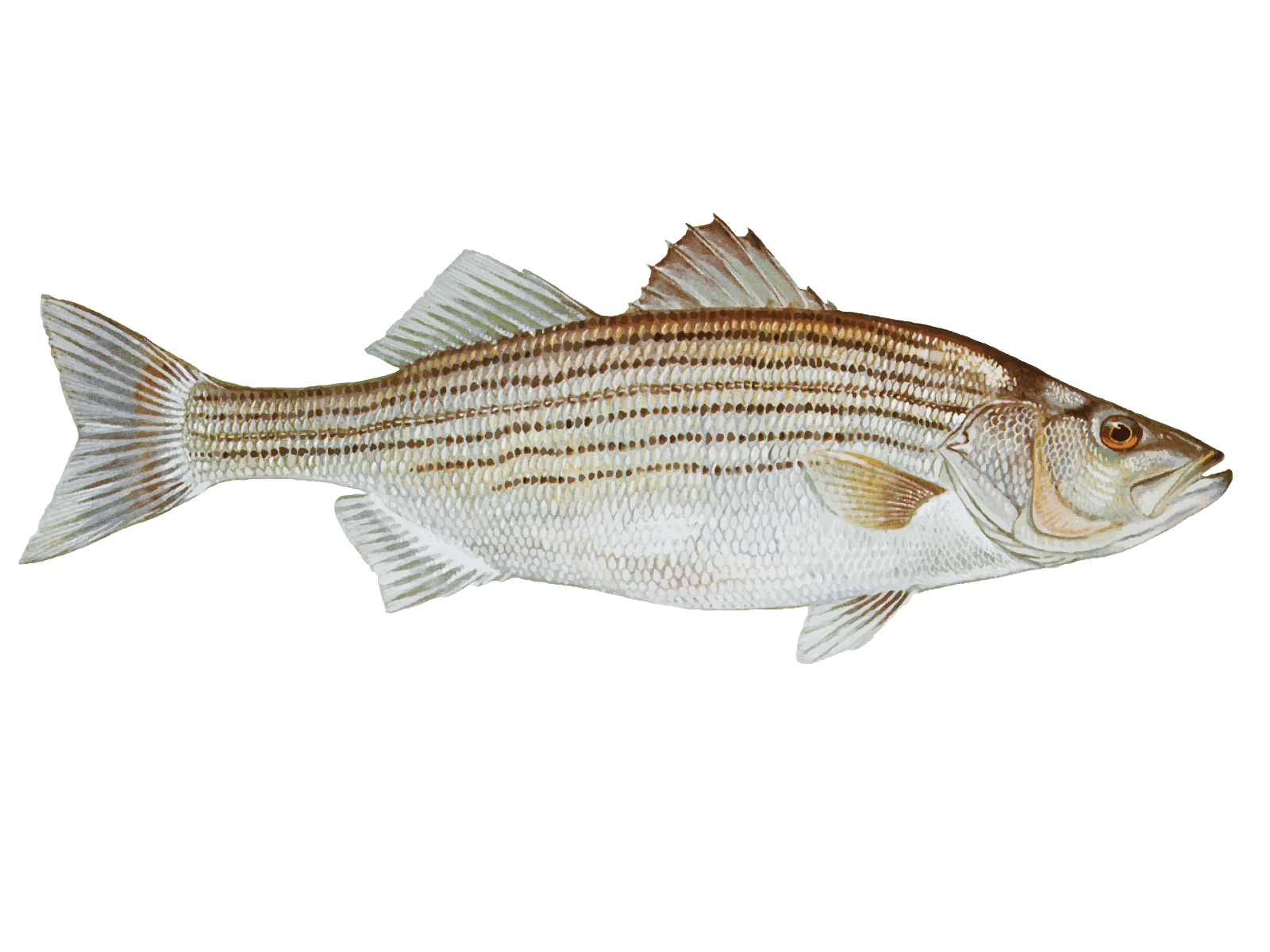
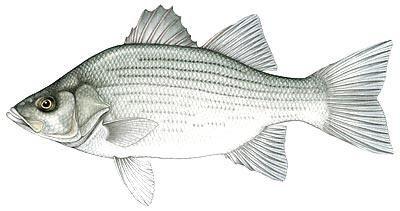
Guide Glenn Diaz of No Limit Fishing on Tuesday October offers exceptional guided fishing trips targeting channel catfish, bass, and striped bass at Lake Pleasant. This shared 5-hour fishing charter provides morning and afternoon options with all gear and bait included. Lake Pleasant fishing delivers consistent action year-round thanks to diverse structure and abundant baitfish populations. Our experienced Arizona fishing guide knows the prime spots for largemouth bass, striped bass, white bass, and multiple catfish species. Whether you're trolling deep water or still fishing with live bait, Lake Pleasant Regional Park offers excellent access and facilities for anglers of all skill levels. Perfect for couples or friends seeking an exciting day on Arizona's premier fishing destination.
Guided Fishing Trip with Glenn Diaz – Rates & Booking
Guide Glenn Diaz of No Limit Fishing on Tuesday October leads this shared 5-hour fishing adventure at Lake Pleasant, accommodating up to 2 guests per trip. Choose between morning and afternoon sessions to fit your schedule, with all high-quality fishing gear and bait provided. This licensed Arizona fishing guide brings local expertise to help you target channel catfish, largemouth bass, striped bass, and white bass using proven techniques from trolling to live bait fishing. Base pricing covers 2 persons with deposits being non-refundable. Book online to secure your Lake Pleasant fishing experience.
Highlights of Guided Fishing in Lake Pleasant – Bass, Striped Bass & Catfish Adventure | Shared- 5 Hour Trip (AM/PM)
Lake Pleasant stands out as Arizona's premier multi-species fishing destination, offering excellent opportunities for bass fishing alongside consistent catfish action. The lake's diverse structure supports healthy populations of largemouth bass, striped bass, white bass, and three catfish species year-round. Our no limit fishing approach means we'll work every productive technique until we find what's working best that day.
Fall season produces exceptional catfish fishing at Lake Pleasant, with channel catfish, blue catfish, and white catfish all actively feeding. The lake's abundant baitfish population and varied underwater structure create ideal conditions for both trophy hunting and consistent action throughout your 5-hour trip.
Local Species Insights: Channel Catfish
Channel catfish thrive in Lake Pleasant's diverse habitat, utilizing the lake's rocky points, submerged timber, and creek channels for feeding and shelter. These whisker-bearing gamefish actively hunt baitfish and scavenge along the bottom, making them accessible to anglers using both active and passive techniques. October brings excellent catfish fishing as water temperatures cool and fish feed heavily before winter, with dawn and dusk periods producing the most consistent action around structure and drop-offs.
Plan Your Fishing Charter Day
Your Lake Pleasant fishing adventure includes all necessary gear and bait, with Glenn providing rods, reels, tackle, and live bait suited for the day's conditions. The trip accommodates 2 anglers comfortably, allowing for personalized instruction and plenty of fishing time. Lake Pleasant Regional Park offers convenient boat launch access with restroom facilities and parking. Morning trips typically start at dawn for prime fishing conditions, while afternoon sessions take advantage of late-day feeding activity. Safety equipment and Arizona fishing licenses are handled by your guide, ensuring a worry-free day on the water.
Fishing in Lake Pleasant: Channel Catfish
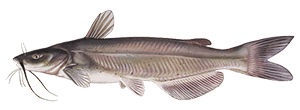
Channel Catfish (Ictalurus punctatus) are among North America's most popular freshwater gamefish, belonging to the order Siluriformes and family Ictaluridae. These distinctive fish feature soft, scaleless bodies covered in protective slime and prominent whiskers called barbels that help them navigate and locate food in murky water. In Lake Pleasant waters this October, channel catfish actively feed along rocky points and submerged structure.
Channel Catfish Overview
Channel catfish are highly adaptable freshwater fish prized by anglers for their fighting ability and excellent table fare. They're easily distinguished from other catfish species by their forked tail, scattered dark spots on younger fish, and four pairs of barbels around their mouth. These whiskers contain thousands of taste buds, making channel cats incredibly efficient at locating food even in low-visibility conditions.
Channel Catfish Habitat and Distribution
Channel catfish thrive in diverse freshwater environments including rivers, lakes, reservoirs, and ponds throughout North America. They prefer areas with moderate current, rocky or sandy bottoms, and plenty of cover such as fallen trees, rock piles, or drop-offs. Lake Pleasant provides ideal habitat with its varied structure, creek channels, and abundant forage base that supports healthy catfish populations year-round.
Channel Catfish Size and Weight
Most channel catfish caught by anglers range from 15 to 25 inches in length and weigh between 2 to 4 pounds. However, trophy specimens can exceed 30 inches and weigh over 20 pounds. Lake Pleasant produces both eating-size catfish and occasional trophies, with the lake's abundant food sources supporting good growth rates throughout the population.
Channel Catfish Diet and Behavior
Channel catfish are opportunistic omnivores that feed on aquatic insects, crayfish, small fish, plant matter, and organic debris. They're most active during low-light periods at dawn and dusk, though they can be caught throughout the day. These bottom-oriented fish use their sensitive barbels to locate food by taste and smell, making them excellent targets for bait fishing techniques.
Channel Catfish Spawning Season
Channel catfish spawn in late spring when water temperatures reach 70-75°F, typically May through July in Arizona waters. Males create nests in cavities, hollow logs, or undercut banks where females deposit eggs. During spawning season, male catfish become territorial and aggressive, often providing exciting fishing opportunities near nesting areas.
Channel Catfish Fishing Techniques
Successful channel catfish fishing relies on bottom fishing with natural baits like nightcrawlers, chicken liver, stink baits, or cut bait. Still fishing near structure produces consistent results, while drift fishing covers more water to locate active schools. In October around Lake Pleasant, anglers find success using slip sinker rigs with fresh bait near rocky points, creek mouths, and drop-offs during early morning and evening hours.
Channel Catfish Is It Good to Eat?
Channel catfish are excellent table fare with firm, white meat that's mild in flavor and low in mercury. The flesh is high in protein and omega-3 fatty acids, making it a healthy dining choice. Popular cooking methods include frying, grilling, blackening, and baking. Smaller catfish typically have the best flavor and texture, while proper cleaning and skinning techniques ensure the best eating experience.
Channel Catfish Frequently Asked Questions
Q: What is the best bait for channel catfish?
A: Nightcrawlers, chicken liver, cut bait, and commercial stink baits are most effective. Fresh baits work better than frozen, and adding scent attractants can increase success rates.
Q: Where can I find channel catfish near Lake Pleasant?
A: Focus on rocky points, creek channels, submerged timber, and drop-offs. Areas with current breaks and structure typically hold the most fish.
Q: Is channel catfish good to eat?
A: Yes, channel catfish are excellent eating with mild, firm white meat that's high in protein and low in mercury. Proper cleaning and preparation ensure the best flavor.
Q: When is the best time to catch channel catfish?
A: Early morning and evening hours produce the most consistent action, though catfish can be caught throughout the day. Fall months like October offer excellent fishing as fish feed heavily before winter.