%2Ffit-in%2F250x250%2Fguide_websites%2F1623%2Fimages%2Fno_limmit_png.png&w=1920&q=100)
No Limit Fishing Guided Trip in Morristown
Brown Bullhead Fishing in Lake Pleasant
%2F%2Fusers%2F36daabc6-6b8c-4db3-8b1c-ff7eaff0c07f%2Fimages%2Fbrown-bullhead-morristown-az-fishing-4579.png&w=1920&q=75)
The Brown Bullhead is a member of the catfish family Ictaluridae, typically reaching 8-22 inches in length and weighing between 1-5 pounds. These bottom-dwellers thrive in lakes, rivers, and backwater areas with soft bottoms where they can forage for food using their sensitive barbels. - Brown Bullheads are omnivorous, eating everything from insects to small fish. - They're surprisingly hardy fish that can tolerate poor water quality better than many other species.
Guided Fishing Trip by Guide Glenn Diaz in August
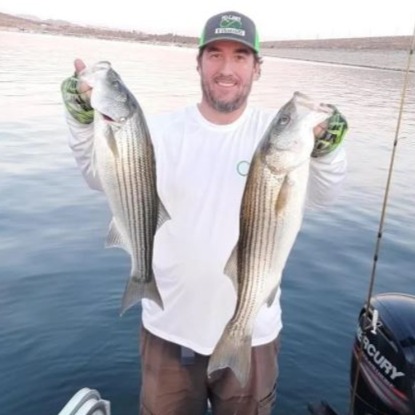
Meet your Guide Glenn Diaz
- Get your fill of Trophy Bites in Arizona!



Summary
Join us for a memorable Saturday June fishing adventure on Lake Pleasant Regional Park in Morristown, AZ. Our guided fishing trip with No Limit Fishing provides everything you need for a successful day on the water. We focus on targeting Brown Bullhead and Striped Bass using various techniques including bait casting from shore and trolling different lake areas. Early morning starts often yield the best results, with fish actively feeding in the summer months. Whether you're a beginner or experienced angler, our local knowledge ensures you'll learn effective approaches for catching these lake dwellers while enjoying Arizona's beautiful outdoor scenery.
Fishing Charter with Glenn Diaz – Rates & Booking
Guide Glenn Diaz of No Limit Fishing on Saturday June offers private fishing trips tailored to your skill level. Our Lake Pleasant fishing adventures provide all necessary gear and local expertise to help you target Brown Bullhead and other species. We'll customize your experience whether you prefer bait casting, trolling, or shore fishing techniques. Early morning bookings are recommended for optimal fishing conditions when the fish are most active.
Highlights of This Guided Trip
Lake Pleasant Regional Park offers excellent summer fishing opportunities with diverse techniques. Our recent trip with Alysan yielded impressive results - a 12-inch Striped Bass and a hefty 17-inch Brown Bullhead. We start with bait casting from shore before transitioning to trolling different productive areas of the lake. The clear conditions and summer temperatures create ideal fishing scenarios, though we always keep an eye on potential afternoon storms typical for Arizona summers.
As a local guide, I can tell you Lake Pleasant is one of Arizona's hidden gems for anglers. The diverse fish population and beautiful surroundings make it perfect for both beginners and experienced fishermen. Our approach focuses on teaching effective techniques while ensuring a comfortable, enjoyable day on the water.
Local Species Insights: Brown Bullhead
Brown Bullhead catfish thrive in Lake Pleasant's warm waters, typically found near structure along the bottom. These catfish are known for their mud-brown coloration and distinctive whisker-like barbels that help them detect food. For best results, we target them with bottom-fishing techniques using cut bait, worms, or prepared stinkbaits. The 17-inch specimen caught on our recent trip represents a good-sized example of what Lake Pleasant offers, falling nicely within their typical 8-22 inch size range. Summer months provide consistent action as these fish remain active in the warm Arizona waters.
Plan Your Fishing Charter Day
For your Lake Pleasant fishing trip, we recommend comfortable clothing, sun protection, and a camera to capture your catches. Our guided trips include all necessary fishing gear, bait, and tackle. We typically meet early morning at designated launch points around Lake Pleasant to take advantage of the prime fishing windows. The "Private booking for 2 people" package offers a personalized experience with flexibility to adjust tactics based on conditions and your preferences. Water and light snacks are provided, but feel free to bring additional refreshments for your day on the water.
Fishing in Lake Pleasant: Brown Bullhead
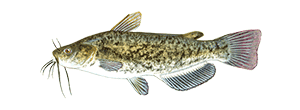
The Brown Bullhead (Ameiurus nebulosus) belongs to the Ictaluridae family within the order Siluriformes. These distinctive catfish are characterized by their muddy-brown coloration, whisker-like barbels, and slightly flattened head. In Morristown waters this June, these resilient bottom-dwellers can be found throughout Lake Pleasant, particularly in areas with structure and soft bottoms.
Brown Bullhead Overview
Brown Bullheads are medium-sized catfish native to eastern North America but widely introduced elsewhere. Anglers appreciate them for their fighting spirit, widespread availability, and table quality. They're opportunistic feeders that can be caught using simple techniques, making them accessible for novice anglers while still providing enjoyment for experienced fishermen.
Brown Bullhead Habitat and Distribution
These catfish thrive in warm, slow-moving or still waters with soft, muddy bottoms. They prefer areas with abundant cover such as submerged logs, vegetation, and rocky structures. In Lake Pleasant near Morristown, they're commonly found in coves and backwater areas, particularly during summer months when they seek slightly deeper water during daylight hours.
Brown Bullhead Size and Weight
Brown Bullheads typically measure between 8 and 22 inches in length and weigh between 1 and 5 pounds. The 17-inch specimen caught during our recent trip represents a healthy adult size. While not the largest catfish species, their broad bodies give them substantial fighting power relative to their size.
Brown Bullhead Diet and Behavior
As opportunistic omnivores, Brown Bullheads feed on insects, crustaceans, mollusks, plant matter, and small fish. They're primarily nocturnal feeders, using their sensitive barbels to locate food along the bottom in low-light conditions. During summer in Arizona, they may feed more actively during early morning and evening hours when water temperatures moderate slightly.
Brown Bullhead Spawning Season
Brown Bullheads typically spawn in late spring through early summer when water temperatures reach the mid-60s to mid-70s Fahrenheit. Both parents participate in nest building and protection of the young, creating shallow nests in protected areas with soft bottoms. In Lake Pleasant, spawning activity generally peaks in April through May, transitioning to post-spawn patterns by June.
Brown Bullhead Fishing Techniques
For consistent success with Brown Bullheads, bottom fishing with natural baits works best. Nightcrawlers, cut bait, chicken liver, and prepared stinkbaits are all effective offerings. Fish these baits on a simple slip-sinker rig near structure in 5-15 feet of water. In June, anglers around Morristown find them congregating near deeper structure during daylight hours, moving to shallower feeding grounds as evening approaches. Patience is key, as bites may come in spurts rather than continuously.
Brown Bullhead Is It Good to Eat?
Brown Bullheads offer mild, firm white flesh with excellent flavor when properly prepared. They have a cleaner taste than their larger catfish cousins, with fewer of the muddy notes sometimes found in bottom-feeders. They're best skinned rather than scaled, then can be fried, baked, or grilled. As with all freshwater fish, they're a good source of protein and contain beneficial omega-3 fatty acids. Those caught from clean waters like Lake Pleasant generally make excellent table fare.
Brown Bullhead Frequently Asked Questions
Q: What is the best bait for Brown Bullhead?
A: Nightcrawlers, chicken liver, cut bait, and prepared catfish baits like stinkbaits or dough baits are all excellent choices. In Lake Pleasant, worms and cut bait consistently produce good results.
Q: Where can I find Brown Bullhead near Morristown?
A: In Lake Pleasant, target areas with cover such as submerged logs, rocky areas, and vegetation in 5-15 feet of water. Coves and backwater areas with muddy bottoms are particularly productive, especially during early morning and evening hours.
Q: Is Brown Bullhead good to eat?
A: Yes, Brown Bullhead provides excellent eating with mild, firm white flesh. They're best prepared by removing the skin (rather than scaling) and can be fried, baked, or grilled. Many anglers consider them among the better-tasting catfish species.
Q: When is the best time to catch Brown Bullhead?
A: Brown Bullheads are most active during low-light periods—dawn, dusk, and night. In summer months like June in Arizona, early morning and evening fishing produces the best results. They feed year-round but are most active when water temperatures are between 70-85°F.
Q: Do Brown Bullheads have stinging spines?
A: Yes, Brown Bullheads have sharp, serrated spines at the front of their dorsal and pectoral fins that can deliver a painful puncture. Handle them carefully by gripping them behind the head and supporting the body, or use a fish grip tool designed for catfish.
Q: How do you identify a Brown Bullhead from other catfish?
A: Brown Bullheads can be identified by their square or slightly notched tail (unlike the forked tails of channel catfish), brown mottled coloration, and barbels that are dark at the base but lighten toward the tips. They also have 21-24 rays on their anal fin, which is fewer than many other catfish species.